
Cali: una ciudad regenerativa modelada por la biodiversidad
Cali, a regenerative city shaped by biodiversity
A city where biodiversity, culture, innovation and urban regeneration converge to create a more liveable, resilient and human-centred future.
In a century defined by climate pressure, social fragmentation and the race to make cities more liveable, the most compelling urban models will not be those that expand the fastest, but those that learn how to regenerate. Cali belongs to that emerging generation of cities.
Located in southwestern Colombia, connected to the Pacific and shaped by extraordinary ecological wealth, Cali is building a model of urban development that does not separate biodiversity from competitiveness, culture from innovation, or renewal from human wellbeing. It is not simply becoming a greener city or a smarter city. It is becoming a more integrated city.
That distinction matters. Around the world, many cities still treat environmental protection, cultural identity, digital transformation and urban renewal as parallel agendas. Cali is moving in another direction. It is positioning biodiversity as a strategic urban asset, culture as a driver of cohesion and projection, technology as a tool for better decisions, and regeneration as a way to repair the city while preparing it for the future. This is why Cali is increasingly best understood not through a single label, but through a new urban synthesis: a biodiversity capital, a cultural capital, a renewing city, a smart city and a reconciled city - all at once.

Biodiversity Capital
Strategic urban asset, not a distant landscape

Cultural Capital
Identity as infrastructure for cohesion
Smart City
Technology in service of human wellbeing

Reconciled City
Repair as the foundation of growth
Capital of Biodiversity
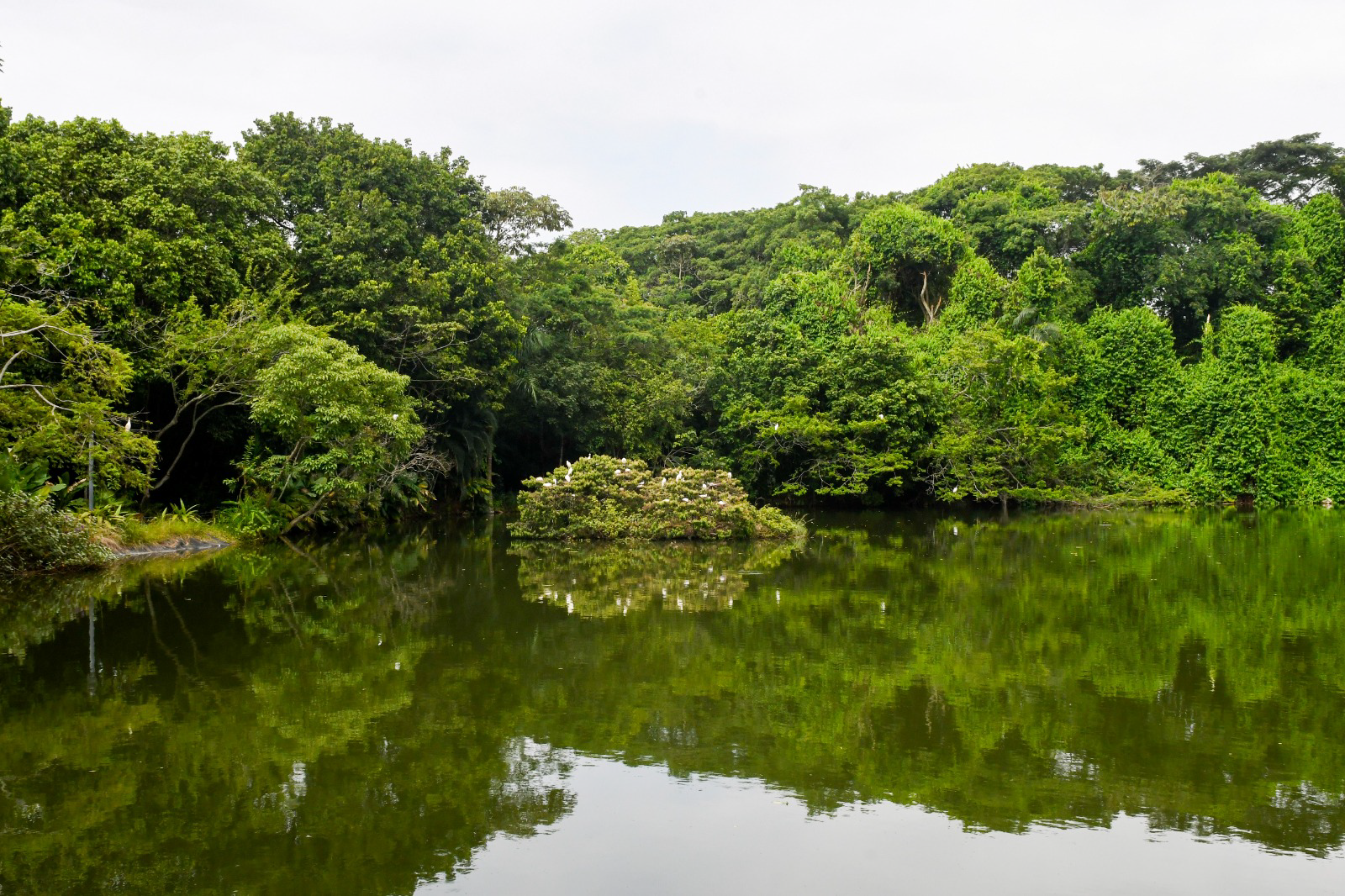
Cali's first differentiator is territorial. This is a city with direct access to strategic ecosystems and an urban identity deeply shaped by water, mountains and biodiversity.
An extraordinary concentration of birdlife that makes Cali a global reference for urban biodiversity.
Biodiversity present in the urban experience itself - not a distant landscape.
More than seven rivers cross its territory, many of them born in the Farallones de Cali, while the city also maintains ecological ties to the Chocó Bioregion, one of the most important and least known biodiversity hotspots in the world. In and around Cali, biodiversity is not a distant landscape. It is present in the urban experience itself - in its more than 200 wetlands, 11 ecoparks, 17 protected areas, and the extraordinary concentration of birdlife and ecological richness that surrounds the city.
This is also where Cali's broader sustainability agenda becomes important. The Cali Sustainable Environmental Master Plan is helping the city align decarbonisation, biodiversity, climate resilience and future investment around a more coherent urban vision. Its project portfolio links sustainable mobility, clean energy, circularity, adaptation and nature-based solutions, showing that the city's future is being planned as a systems transition rather than a set of isolated interventions. That systems perspective is especially relevant for audiences who look not only for vision, but for implementation logic and institutional seriousness. The same is true of Cali's push on circular economy, green businesses and regenerative production, which positions sustainability not only as environmental responsibility, but as an economic pathway.
Global Coalition of Cities
At COP16, Cali launched the Global Coalition of Cities against the Illegal Economies that affect Biodiversity: 20+ cities united against illegal economies.
Chocó Biogeográfico
Cali leads the Alliance of Cities for the Protection of the Chocó Bioregion: 9 Latin American cities protecting the world's greatest biodiversity hotspot.
Resilience beyond city boundaries
No city can protect strategic ecosystems alone - water resilience requires city-to-city cooperation.
Cultural Cali
But in Cali, biodiversity is not only environmental. It is also cultural.
The city’s identity has been shaped by movement, rhythm, migration, resilience and collective expression. Culture is not a decorative layer added to the city after development takes place; it is one of the forces that make development meaningful. Cali’s music, street life, neighbourhood traditions and creative energy have long made it one of Latin America’s most distinctive urban cultures. What is changing now is that culture is being understood not only as heritage, but as infrastructure: infrastructure for belonging, cohesion, public life and international identity. In a region where social fragmentation has often shaped urban growth, this cultural strength becomes a strategic advantage. It is one of the ways Cali turns identity into urban capacity.

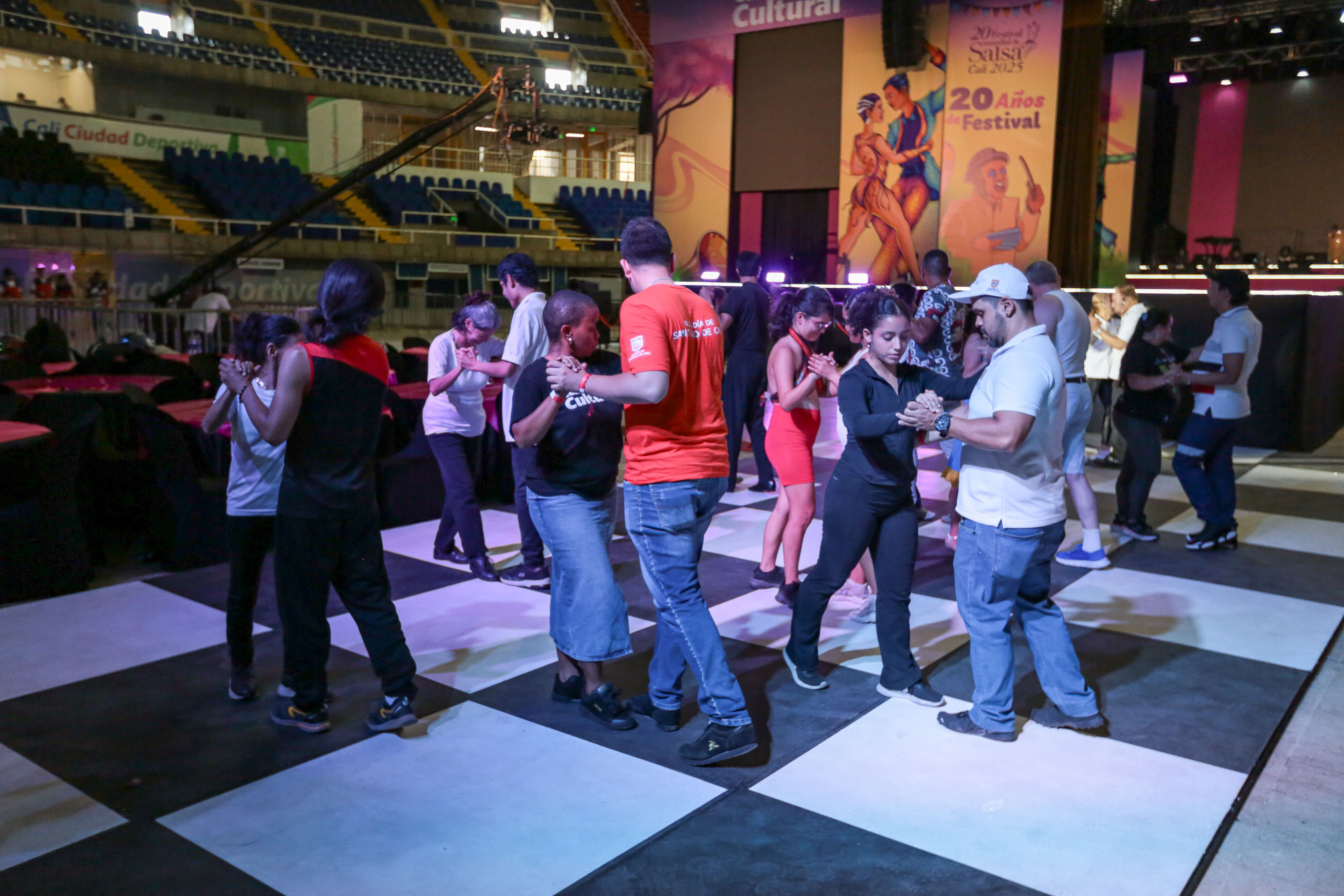
Salsa capital of the world
Rhythm as identity. Movement as urban culture. A city that dances is a city that coheres.
Heritage => identity => urban capacity


Urban Renewal
That same logic is visible in the city’s approach to urban renewal.
For Cali, renewal is not simply about replacing old infrastructure or modernising selected corridors. It is about reconnecting what has been fragmented, dignifying what has been neglected, and creating a city that works better for the people who have historically carried the greatest burdens of exclusion. This is where Cali's most important urban projects come into focus.
Renewal must improve how people live, move, meet and relate to their environment.
Pulmón del Oriente
In the east of the city, Pulmón del Oriente reflects a regenerative understanding of development. It combines housing improvement with the recovery of public space, transforming everyday urban life through interventions such as the Boulevard and the Figueroa canal corridor. What matters here is not only the physical upgrade, but the larger idea behind it: that renewal must improve how people live, move, meet and relate to their environment. Regeneration, in this sense, is both spatial and social.
Barrio Obrero & expanded downtown
The same principle extends into the renewal of the expanded downtown, including Barrio Obrero, where Cali is not seeking to erase memory in the name of modernity, but to revalue centrality through a new urban balance. The future of the centre is being imagined not as a detached business district, but as a mixed, vibrant and culturally rooted territory - one where mobility, heritage, economic activity and public life reinforce one another. For international audiences, this is one of the most interesting dimensions of Cali: its willingness to modernise without flattening identity.
Avenida Sexta
This urban logic can also be seen in the transformation of Avenida Sexta, understood not merely as a traffic corridor, but as a strategic public space. In Cali's evolving city model, key avenues are no longer valued only for throughput and connectivity. They are valued for their ability to shape experience, activate commerce, improve the public realm and redefine how the city presents itself. This is a subtle but important shift. It signals a city moving from linear infrastructure to urban choreography — from roads alone to places with meaning.
Plan Jarillón de Cali | Cauca River
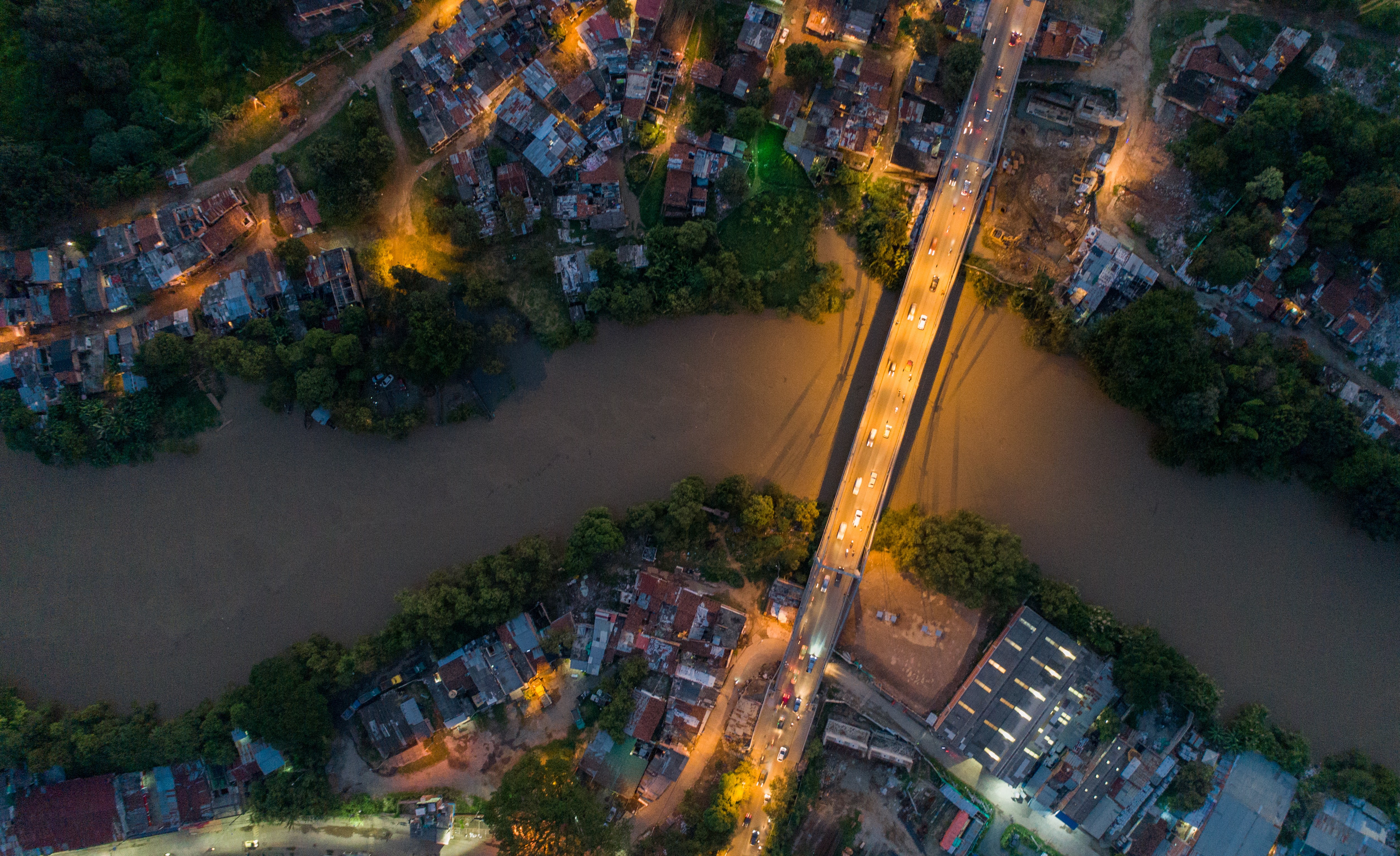
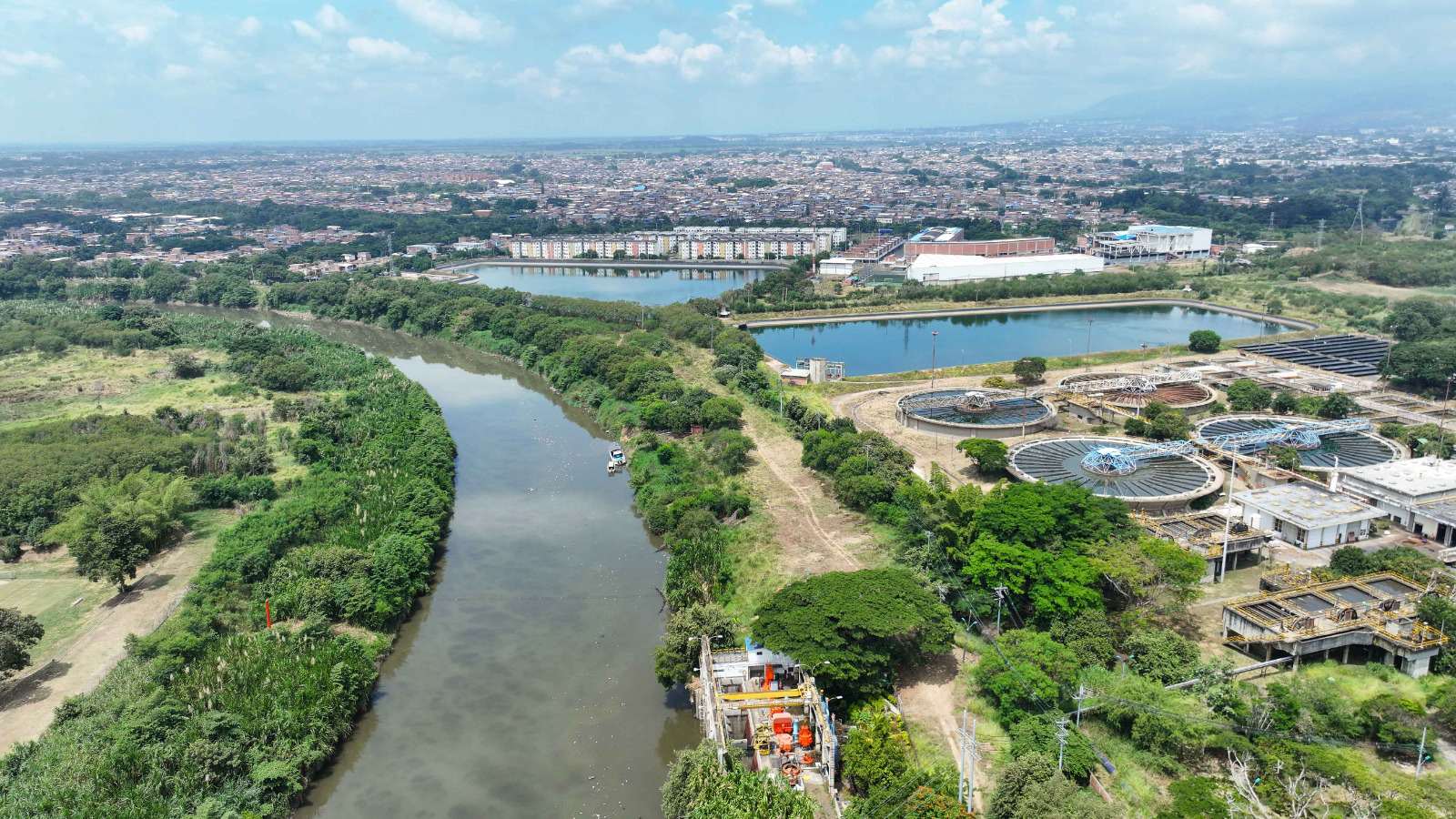
Perhaps the city’s most emblematic regenerative intervention is the Plan Jarillón de Cali.
For years, the levee along the Cauca River was associated primarily with risk, informality and vulnerability. Today, that same geography is being transformed into a project of resilience, environmental restoration and territorial dignity.
The reinforcement of 26.1 kilometres of the Cauca River levee, the recovery of more than 29,000 square metres of environmental corridor, the restoration of 77,000 square metres of public space, and the integrated intervention in 32 settlements show that Cali is treating resilience not as an emergency response, but as a long-term urban strategy. It is a powerful example of how a city can protect life, restore ecological systems and repair historic inequalities through one integrated vision.
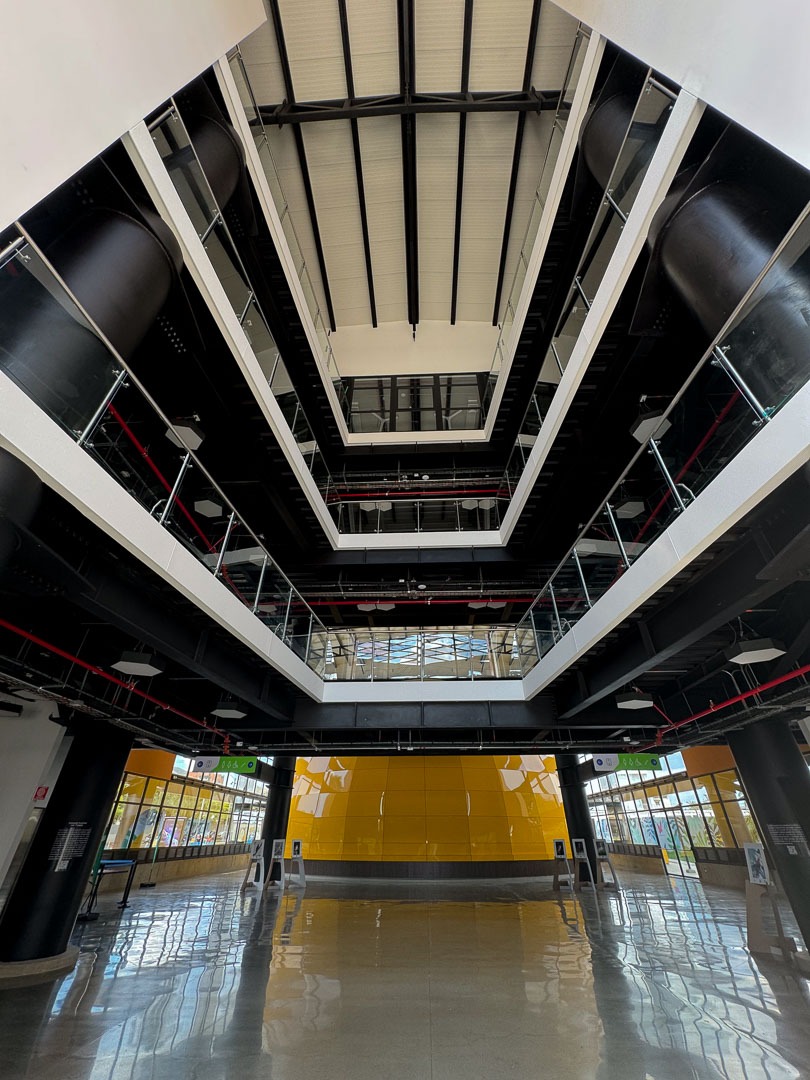
Smart city
Cali's smart city ambition follows the same integrated philosophy.
Here, intelligence is not defined by technology for its own sake, but by the city's ability to use information, innovation and coordination to improve daily life.
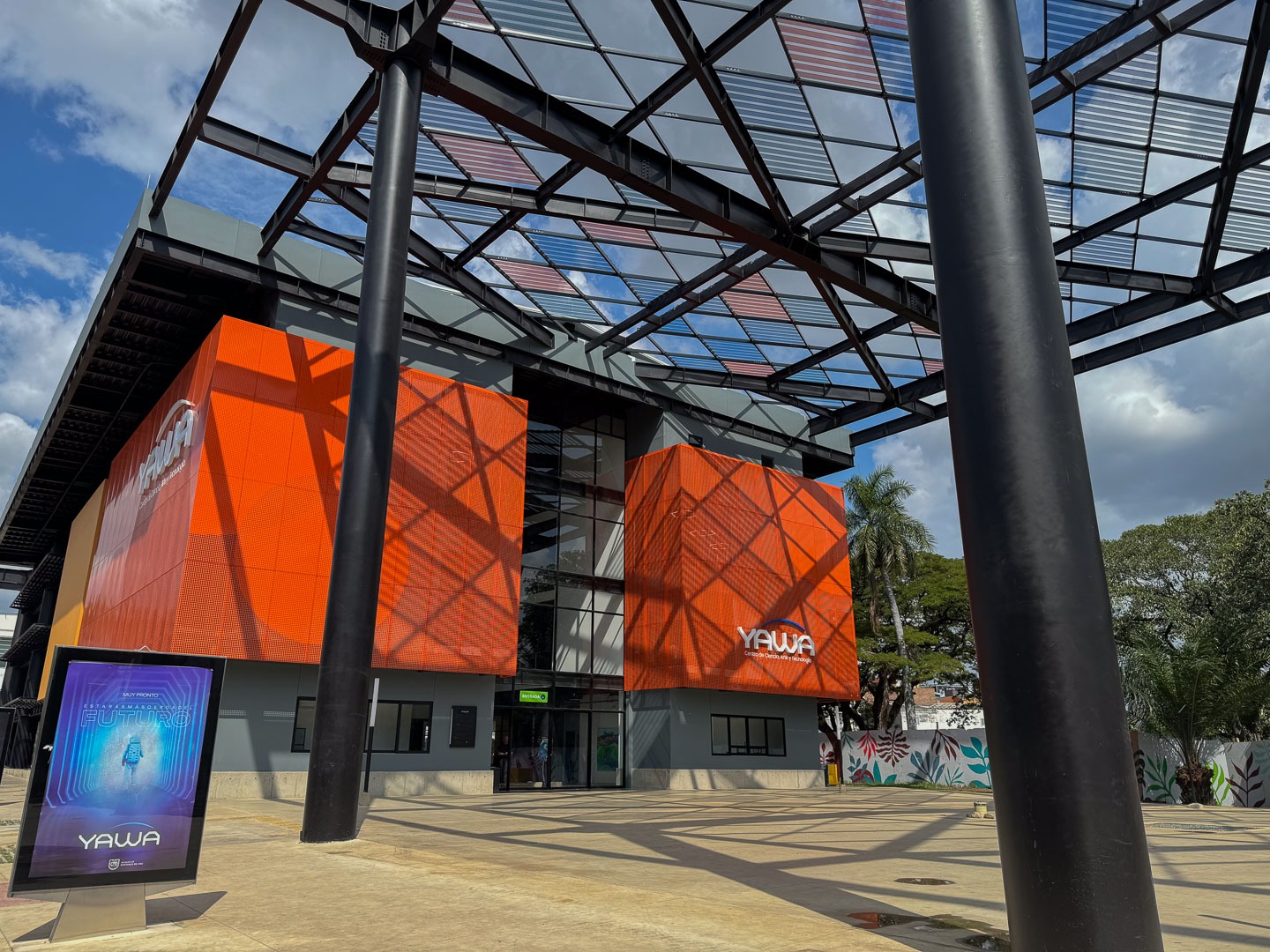
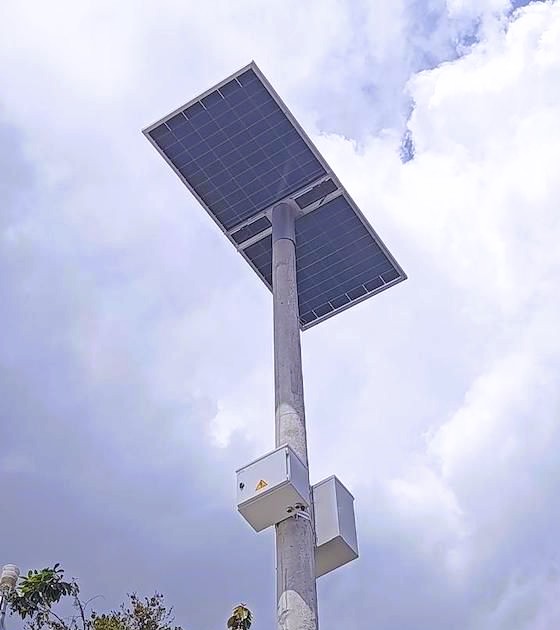
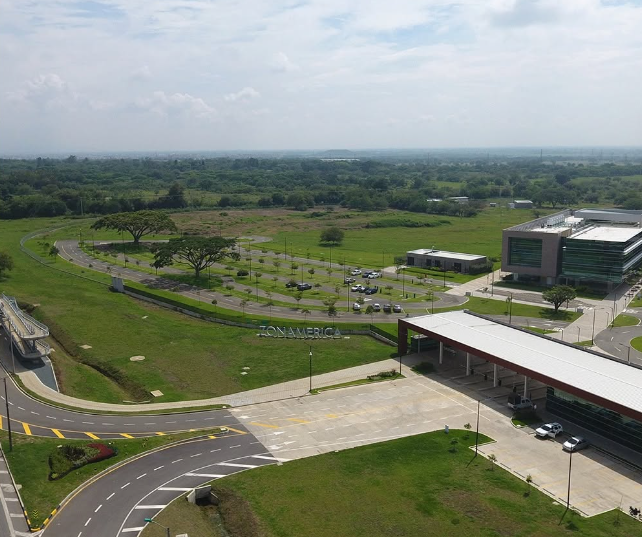
A smarter Cali is one that plans with better data, responds with more agility, aligns infrastructure with environmental realities and designs public services around people rather than systems. This includes the growing role of digital tools, climate intelligence, cleaner mobility and integrated planning in shaping urban decisions. In Cali, the smart city conversation is not detached from social or environmental priorities. It is being positioned as a way to make urban transformation more effective, more measurable and more human-centered.

Better data for better decisions — planning aligned with environmental realities.
Reconciliation for urban transformation
Yet what gives all of this its deepest meaning is Cali's emerging identity as a reconciled city.
Reconciliation, in this context, is not limited to a political process. It is urban. It is territorial. It is social. It means restoring the relationship between the city and its rivers, between infrastructure and ecosystems, between neglected neighbourhoods and public investment, and between memory and the future.
It means recognising that some parts of the city have carried disproportionate histories of displacement, exclusion and risk and that renewal must therefore be an act of repair as much as an act of growth. In Cali, reconciliation is becoming a framework for urban transformation, one that heals by connecting.
This is why Cali matters internationally. Not because it offers a finished model, but because it offers a relevant one. It shows how a Latin American city can build a new development narrative from its own strengths: biodiversity, culture, community, intelligence and regeneration. It shows that the cities of the future will not be defined only by height, speed or scale, but by their ability to integrate nature, infrastructure and human wellbeing into a coherent urban project. It also shows that the Global South is not only a site of urban challenge. It is also a site of urban innovation.
Connect with Cali
Interested in learning more about Cali's urban transformation, biodiversity agenda, investment opportunities, innovation ecosystem, or international cooperation initiatives?
The Office of International Relations and Cooperation of the Mayor's
Office of Santiago de Cali serves as the city's gateway for international
engagement and strategic partnerships. We welcome opportunities to connect
with governments, cities, international organizations, investors, academic
institutions, businesses, and other partners interested in collaborating
with Cali.
To learn more or explore potential areas of cooperation, please contact us
at